Modern conflict is being reshaped by a simple but powerful idea: mass matters more than perfection.
As electronic warfare intensifies and traditional platforms become increasingly expensive and vulnerable, defence planners are turning to one-way effector (OWE) drones—low-cost, autonomous systems designed to deliver precision effects in highly contested environments.
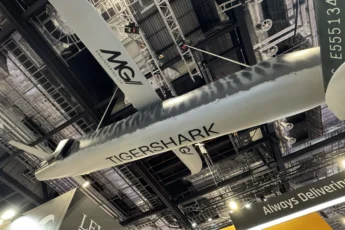
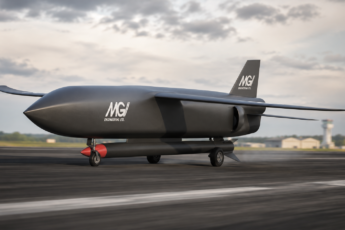
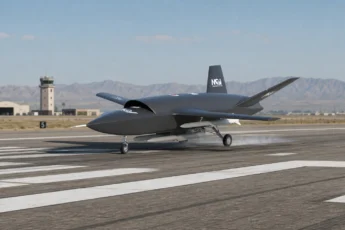
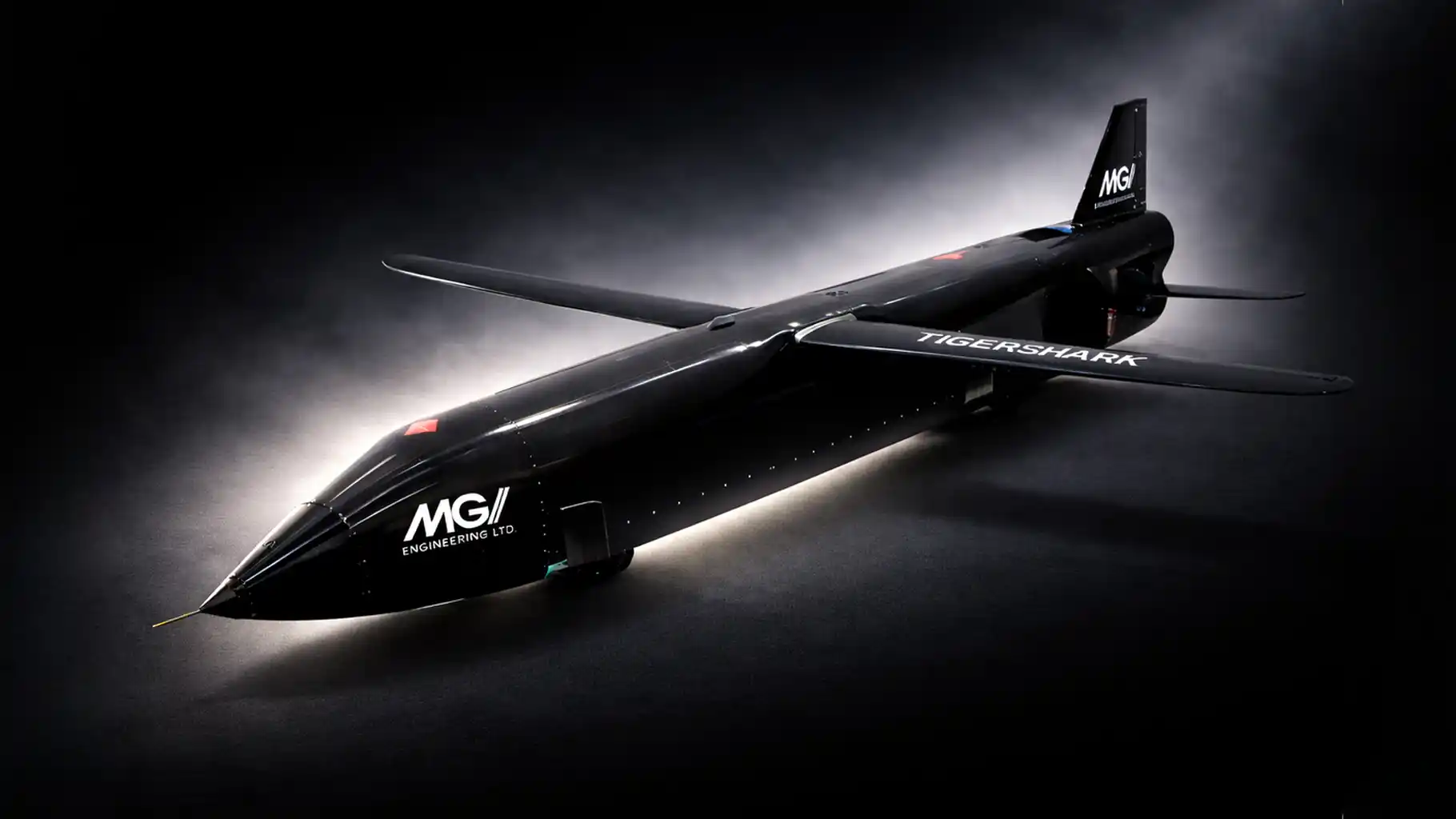
Among the most advanced examples is the TigerShark, a next-generation platform engineered for scalable deployment, electronic resilience, and mission adaptability.
This article explores:
- What one-way effector drones are
- Why they are becoming critical in modern warfare
- How platforms like TigerShark are enabling cost-effective precision strike at scale
What Is a One-Way Effector Drone?
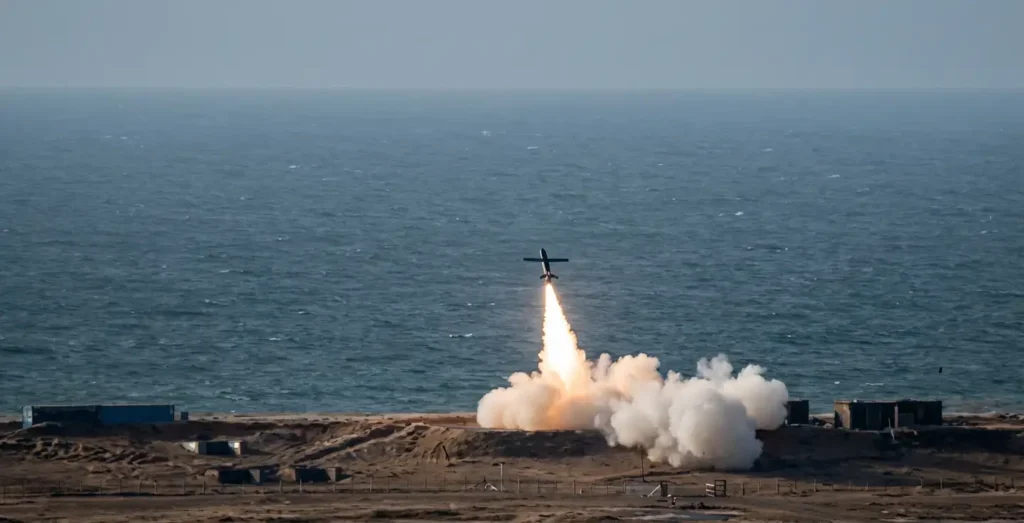
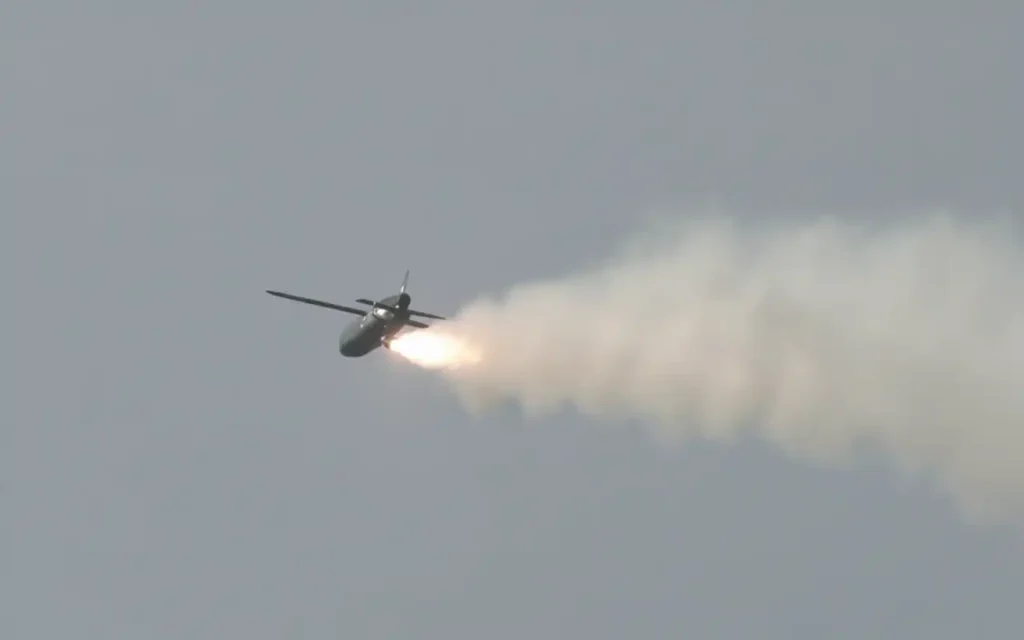
A one-way effector (OWE) drone is an unmanned system designed to:
- Deliver a payload to a target
- Complete its mission without returning
- Operate with a focus on cost efficiency, scalability, and mission success
Unlike reusable UAVs, OWEs are:
- Simpler and cheaper to produce
- Optimised for high-volume deployment
- Designed to operate in denied or degraded environments
This aligns directly with growing interest in:
- “what is a one-way effector drone platform”
- “cost-effective expendable drones”
- “precision strike capability at low cost”
Why One-Way Effectors Are Changing the Battlefield
1.
Cost vs Capability Shift
Traditional strike platforms:
- High cost per unit
- Limited deployability
- Vulnerable to modern air defence
OWEs flip this model:
- Low unit cost
- High deployment volume
- Acceptable loss rates
This enables mass-based tactics, where overwhelming numbers replace reliance on a few high-value assets.
2.
Designed for Contested Environments
Modern battlefields are defined by:
- GPS denial
- Signal jamming
- Electronic attack
This reflects a growing operational focus on:
- “electronic warfare resistant drones”
- “autonomous drones in contested environments”
OWEs like TigerShark are designed to:
- Operate with limited or degraded comms
- Maintain mission integrity in A2/AD environments
- Execute pre-defined or adaptive mission profiles autonomously
3.
Scalability and Rapid Production
A critical advantage of OWE platforms is industrial scalability:
- Faster design iteration
- Rapid prototyping cycles
- Lower manufacturing complexity
This supports emerging defence priorities around:
- “scalable drone production for military use”
- “rapid drone prototyping defence sector”
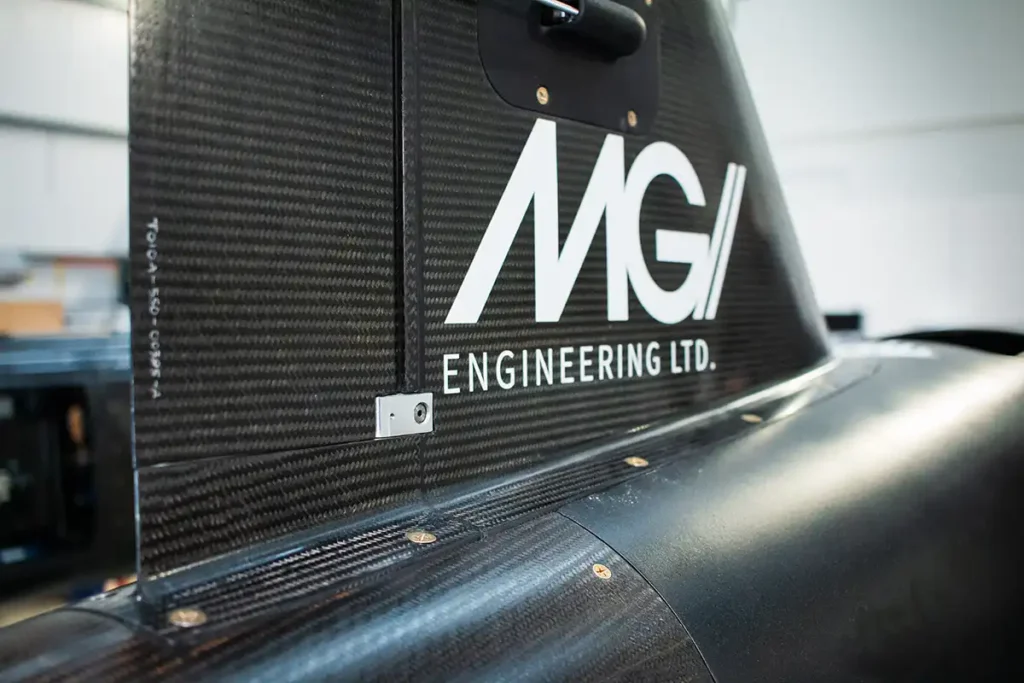
TigerShark: A New Standard in One-Way Effector Design
The TigerShark represents a shift from traditional drone design to a software-defined, modular platform.
Key Capabilities
🔹 Open Architecture
- Enables rapid integration of new payloads and software
- Supports continuous upgrades without full redesign
🔹 Autonomous Operation
- Mission execution in denied environments
- Reduced reliance on constant operator input
🔹 Low-Cost, High-Performance Design
- Optimised for mass deployment
- Balances cost with precision strike capability
🔹 Modular Payload Integration
- Adaptable across multiple mission profiles
- Enables flexibility across theatres and operational needs
How TigerShark Supports Modern Military Doctrine
1. Precision Strike at Scale
Rather than relying on a small number of high-value assets, TigerShark enables:
- Distributed strike capability
- Saturation of enemy defences
- Increased mission success probability
2. Swarm-Enabled Operations
OWEs are increasingly deployed in coordinated groups:
- Shared mission objectives
- Distributed targeting
- Redundancy through numbers
This aligns with rising interest in:
- “drone swarm tactics”
- “swarm-enabled ISR and effect”
3. Deep Strike in Denied Airspace
TigerShark is engineered to:
- Penetrate contested airspace
- Deliver effect despite electronic interference
- Operate where traditional UAVs cannot survive
The Strategic Advantage: Low-Cost Mass Effect
The real disruption is not just technological—it’s strategic.
TigerShark enables:
- Affordable precision strike capability
- Operational flexibility across domains
- Rapid response to evolving threats
This directly supports defence priorities around:
- “low-cost autonomous drones for defence operations”
- “precision strike capability in electronic resistant zones”
Conclusion: The Future of Autonomous Strike
One-way effector drones are not a niche capability—they are rapidly becoming a core component of modern military strategy.
Platforms like TigerShark demonstrate how:
- Autonomy
- Scalability
- Cost efficiency
can be combined to deliver precision effect in the most challenging operational environments.
As defence requirements continue to evolve, the ability to deploy large numbers of intelligent, low-cost systems will define success on the battlefield.
Frequently Asked Questions
What is a one-way effector drone?
A one-way effector drone is an unmanned system designed to deliver a payload to a target without returning, prioritising low cost, scalability, and mission success in contested environments.
How do one-way effector drones differ from traditional UAVs?
Unlike reusable UAVs, one-way effectors are designed for single-use missions, enabling lower production costs and large-scale deployment in high-risk operational scenarios.
Why are one-way effector drones important in modern warfare?
They provide cost-effective precision strike capability, allowing forces to deploy large numbers of autonomous systems that can overwhelm defences and operate in denied environments.
Can one-way effector drones operate in electronic warfare environments?
Yes, advanced platforms are designed to function in GPS-denied and electronically contested environments using autonomous navigation and resilient communication systems.
What makes TigerShark different from other one-way effector drones?
TigerShark combines open architecture, modular payload integration, and autonomous operation, enabling rapid upgrades and scalable deployment across multiple mission types.