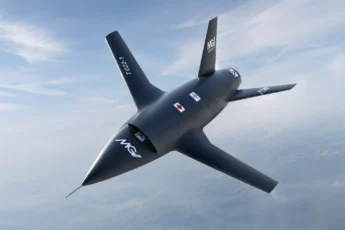
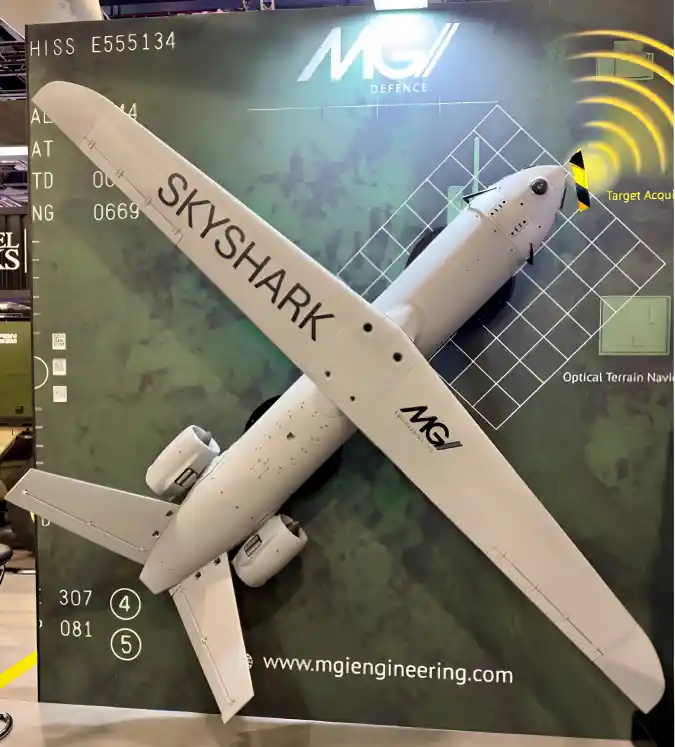
The nature of modern warfare is changing rapidly. For decades, military procurement focused on building increasingly sophisticated aircraft, missiles and combat systems that offered exceptional capability but came at enormous financial cost. While these platforms remain essential, recent conflicts have demonstrated that mass, adaptability and affordability can be just as decisive as technological superiority.
This shift has accelerated the development of attritable strike drones—autonomous systems designed to deliver meaningful combat capability at a cost that makes them operationally expendable when necessary.
Rather than replacing traditional combat aircraft or precision-guided weapons, attritable drones complement them. They allow commanders to project combat power, overwhelm enemy defences, conduct reconnaissance, disrupt air defence networks and support manned platforms without risking highly valuable assets.
As defence forces increasingly prepare for contested and electronically denied environments, mass-producible autonomous systems are becoming one of the defining technologies of modern warfare.
What Is an Attritable Strike Drone?
An attritable strike drone is an unmanned combat aircraft designed to balance capability with affordability.
Unlike traditional military aircraft, which may cost tens or even hundreds of millions of pounds, attritable platforms are intentionally engineered to be significantly more economical while still providing operationally relevant performance.
The term “attritable” does not imply disposable. Instead, it means commanders can accept the loss of the platform if required to complete a mission.
This fundamentally changes operational planning.
Instead of protecting every asset at all costs, commanders gain the freedom to employ autonomous systems more aggressively in dangerous environments where the risk to crewed aircraft would be unacceptable.
The Shift from Cost per Platform to Cost per Effect
Historically, defence procurement has focused on purchasing the most capable individual platform possible.
Today’s operational environment demands a different approach.
Military planners are increasingly evaluating systems based on cost per effect rather than simply acquisition cost.
The objective becomes:
- Destroying high-value targets
- Suppressing enemy air defences
- Creating tactical dilemmas
- Gathering intelligence
- Saturating defensive systems
…at the lowest practical cost.
This approach allows a force equipped with multiple autonomous systems to achieve operational effects previously requiring significantly larger and more expensive assets.
Why Mass Production Matters
One of the defining characteristics of attritable systems is their suitability for scalable manufacturing.
Future conflicts may require thousands of autonomous systems rather than hundreds.
To meet this demand, manufacturers are increasingly focusing on:
- Modular airframe design
- Rapid production techniques
- Commercial manufacturing methods
- Open system architectures
- Standardised avionics
- Simplified maintenance
Mass-producible strike drones provide strategic resilience by allowing production rates to increase rapidly during periods of heightened demand.
Scalable production also supports continuous capability evolution, with incremental upgrades introduced far more quickly than traditional defence procurement cycles.
Attritable Drones and Autonomous Collaborative Platforms
Attritable drones become even more effective when operating as part of an Autonomous Collaborative Platform (ACP) architecture.
Rather than acting independently, multiple autonomous systems cooperate to achieve shared objectives.
Examples include:
- Coordinated surveillance
- Electronic warfare support
- Decoy operations
- Precision strike
- Communications relay
- Battle damage assessment
- Multi-axis attacks
Collaborative autonomy enables distributed operations where numerous lower-cost systems generate effects previously achievable only by a small number of premium platforms.
Supporting Manned-Unmanned Teaming
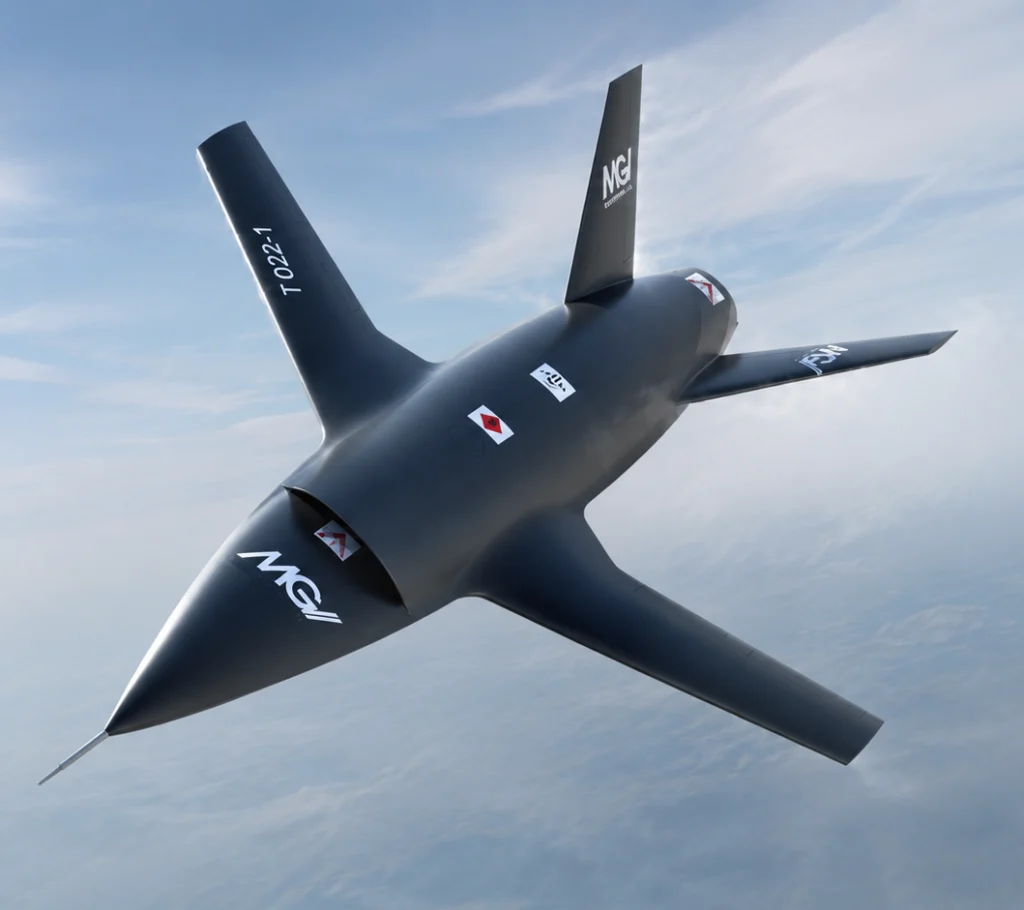
One of the most significant developments is Manned-Unmanned Teaming (MUM-T).
In these operations, autonomous drones work alongside crewed aircraft rather than replacing them.
Potential missions include:
- Flying ahead of fighter aircraft
- Detecting hostile radar systems
- Carrying additional weapons
- Acting as electronic decoys
- Conducting reconnaissance
- Extending sensor coverage
By assuming the highest-risk tasks, attritable drones improve the survivability and effectiveness of crewed aircraft.
Electronic Warfare Is Driving New Requirements
Modern battlefields are increasingly dominated by electronic warfare.
GPS denial.
Communications jamming.
Radar disruption.
Cyber attack.
Autonomous strike drones designed for contested environments must therefore incorporate resilient navigation, adaptable mission planning and the ability to continue operating even when communications are degraded.
Future autonomous systems are likely to rely on combinations of:
- Inertial navigation
- Vision-based navigation
- Terrain matching
- AI-assisted target recognition
- Mission autonomy
- Distributed decision-making
This resilience allows operations to continue even when conventional communications are disrupted.
Drone Swarms and Saturation Tactics
Drone swarms have become one of the most discussed concepts in modern defence.
Rather than relying on a single highly capable aircraft, commanders may deploy dozens—or even hundreds—of autonomous systems simultaneously.
Swarm operations can:
- Saturate air defence systems
- Force adversaries to expend expensive interceptors
- Increase target uncertainty
- Attack from multiple directions
- Maintain persistent surveillance
- Deliver coordinated effects across a wide area
Attritable drones are particularly well suited to swarm operations because their affordability makes larger force sizes economically achievable.
Open Architecture Enables Rapid Evolution
Traditional military programmes often require lengthy upgrade cycles.
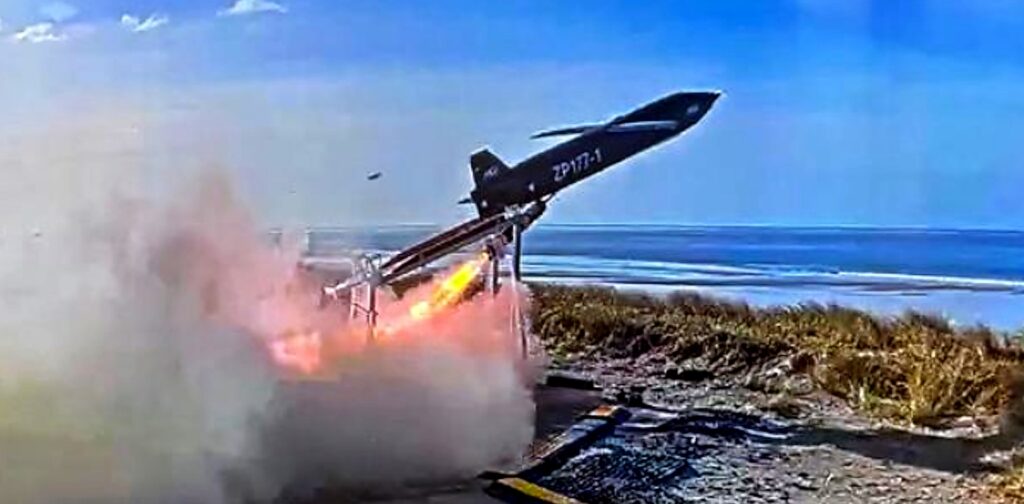
Attritable autonomous platforms increasingly embrace open architecture, allowing software, sensors and mission systems to evolve much more rapidly.
Benefits include:
- Faster capability upgrades
- Easier payload integration
- Reduced lifecycle costs
- Greater interoperability
- Simplified export variants
- Improved mission flexibility
Open architecture also enables defence organisations to integrate emerging AI capabilities without redesigning entire aircraft.
Deep Strike Without Premium Cost
Deep strike capability has historically required highly expensive cruise missiles or advanced combat aircraft.
Attritable autonomous systems provide an alternative.
By combining:
- Long range
- Autonomous navigation
- Precision targeting
- Electronic warfare resilience
- Collaborative mission planning
modern deep strike drones can deliver meaningful operational capability at a significantly lower cost than traditional stand-off weapons.
This enables larger inventories, greater operational persistence and increased strategic flexibility.
The Strategic Value of Attritable Systems
The greatest strength of attritable autonomous systems lies not in replacing existing military platforms but in expanding the options available to commanders.
Future forces are unlikely to consist solely of premium aircraft or solely of low-cost drones.
Instead, they will operate as integrated ecosystems combining:
- Crewed combat aircraft
- Autonomous collaborative platforms
- One-way effectors
- Intelligence, Surveillance and Reconnaissance (ISR) assets
- Electronic warfare platforms
- Heavy-lift logistics drones
- Maritime autonomous systems
Together, these systems create a force that is more resilient, more adaptable and better suited to the increasingly complex demands of modern warfare.
Looking Ahead
As geopolitical tensions increase and military technology evolves at unprecedented speed, attritable strike drones are moving from niche capability to strategic necessity.
Defence organisations around the world are recognising that operational success increasingly depends on achieving the right balance between capability, affordability, autonomy and production scale.
The future battlefield is unlikely to be dominated by a handful of exquisite platforms alone.
Instead, it will be shaped by intelligent, collaborative and mass-producible autonomous systems capable of delivering decisive operational effects while reducing risk to personnel and preserving high-value assets.
For manufacturers developing the next generation of autonomous collaborative platforms, the challenge is no longer simply building a better drone—it is creating a scalable capability that can evolve as rapidly as the threats it is designed to counter.
Frequently Asked Questions
What is an attritable strike drone?
An attritable strike drone is an autonomous military aircraft designed to deliver operational capability at a cost that allows commanders to accept its loss if necessary. It is intended to be affordable enough for high-risk missions while still providing meaningful combat effectiveness.
What does “attritable” mean in defence?
In defence, “attritable” describes equipment that is valuable but not so expensive that losing it would be strategically unacceptable. Attritable systems occupy the middle ground between disposable systems and high-value assets such as fighter aircraft.
How are attritable drones different from one-way effectors?
One-way effectors are designed for a single strike mission and are not expected to return. Attritable drones may be reusable or expendable depending on mission requirements. Their defining characteristic is affordability rather than single-use operation.
Why are attritable drones important?
Attritable drones allow armed forces to deploy larger numbers of autonomous systems, conduct operations in highly contested environments and reduce risk to personnel while maintaining combat effectiveness.
What is an Autonomous Collaborative Platform (ACP)?
An Autonomous Collaborative Platform is an autonomous aircraft designed to work with other crewed or uncrewed systems through collaborative mission planning, shared sensing and coordinated operations.
Can attritable drones operate without GPS?
Yes. Many next-generation autonomous systems are being designed with resilient navigation technologies such as inertial navigation, terrain matching, visual navigation and AI-assisted autonomy that allow continued operation when GPS is denied.
How do attritable drones support drone swarms?
Their relatively low cost makes it practical to deploy multiple platforms simultaneously. Working together, autonomous drones can overwhelm air defences, share intelligence and coordinate attacks more effectively than individual systems operating alone.
Are attritable drones replacing fighter aircraft?
No. They are intended to complement crewed aircraft through Manned-Unmanned Teaming (MUM-T), taking on higher-risk missions while extending the reach and survivability of traditional air assets.
What role do attritable drones play in electronic warfare?
Modern attritable drones can support electronic warfare by acting as decoys, gathering electronic intelligence, disrupting enemy sensors or operating in environments where communications and GPS are heavily contested.
Why is mass production important for autonomous defence systems?
Future conflicts may require large numbers of autonomous systems. Mass-producible designs enable rapid manufacturing, lower unit costs, faster upgrades and the ability to replace losses quickly during sustained operations.