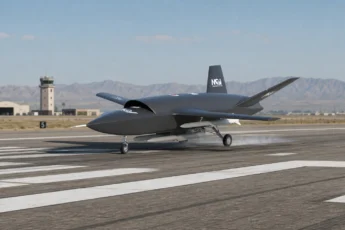
Modern defence environments are evolving faster than ever. Operational requirements shift in weeks, not years. Threat landscapes are dynamic, multi-domain, and increasingly shaped by electronic warfare, contested communications, and asymmetric tactics.
This shift is particularly evident in areas such as autonomous logistics in denied environments, where adaptability and resilience are critical to mission success.
In this context, traditional approaches to defence procurement—built around fixed platforms and long development cycles—are no longer sufficient.
A new paradigm is emerging: software-defined defence, enabled by open architecture systems that allow autonomous platforms to evolve continuously, adapt rapidly, and integrate seamlessly across missions.
For defence organisations seeking operational advantage, this shift is not incremental—it is transformative.
| Software-defined defence refers to military systems designed with open architecture, allowing hardware and software to be updated independently. This enables autonomous platforms to evolve rapidly, integrate new capabilities, and adapt to changing mission requirements without full redesign. |
The Problem with Traditional Defence Platforms
Historically, military platforms have been designed as highly specialised, tightly integrated systems. Hardware and software are often developed together, resulting in solutions that are:
- Difficult to upgrade
- Slow to adapt to new mission requirements
- Dependent on long procurement and certification cycles
Once deployed, these platforms can remain operationally relevant for decades—but only with significant investment in upgrades that are often complex, costly, and time-consuming.
In modern conflict scenarios, this rigidity presents a clear disadvantage.
Adversaries are increasingly leveraging:
- Low-cost, rapidly produced systems
- Iterative design cycles
- Flexible, software-driven capabilities
The result is a battlefield where speed of adaptation can outweigh traditional measures of capability such as range, payload, or endurance.
The Rise of Software-Defined Defence
Software-defined defence represents a fundamental shift in how military capability is developed and deployed.
At its core is the decoupling of hardware and software, allowing platforms to serve as adaptable foundations rather than fixed solutions.
Instead of building a system for a single mission profile, software-defined platforms are designed to support:
- Continuous software updates
- Mission-specific configuration
- Rapid integration of new capabilities
This approach mirrors developments in other high-performance sectors, where modularity and iteration have replaced monolithic design.
For autonomous systems in particular, this is critical.
Autonomy is not a single feature—it is a stack of capabilities, including navigation, perception, decision-making, and mission execution. Each layer can be updated, improved, or replaced without redesigning the entire platform.
Why Open Architecture Matters
Open architecture is the enabler of software-defined defence.
By designing systems with standardised interfaces and interoperability in mind, open architecture allows:
- Integration of third-party payloads and sensors
- Compatibility with evolving autonomy software stacks
- Rapid adoption of new technologies without redesign
This removes the constraints of vendor lock-in and enables defence organisations to build ecosystems of capability, rather than relying on closed, proprietary systems.
The benefits are clear:
1. Faster Innovation Cycles
New capabilities can be integrated as they become available, rather than waiting for full platform upgrades.
2. Greater Flexibility
Platforms can be configured for different missions—ISR, strike, logistics—using the same underlying system.
3. Reduced Risk
Open systems allow for incremental testing and deployment, reducing the need for large-scale, high-risk programmes.
In practical terms, this means defence operators can respond to changing operational demands in weeks rather than years.
Autonomy as a Scalable Capability Layer
In traditional systems, autonomy is often treated as a fixed feature—designed, validated, and locked into the platform.
This is especially relevant when considering how drone swarm tactics rely on adaptable, software-driven coordination rather than fixed system design.
In a software-defined model, autonomy becomes modular and scalable.
This allows operators to:
- Upgrade navigation algorithms to operate in GPS-denied environments
- Integrate new targeting or object recognition capabilities
- Adapt behaviours based on mission-specific requirements
As autonomy evolves, platforms remain relevant without requiring structural redesign.
This is particularly important in contested environments, where:
- Communications may be degraded or denied
- Electronic warfare may disrupt traditional control systems
- Mission parameters may change in real time
Software-defined autonomy enables platforms to maintain effectiveness even under these constraints.
From Months to Weeks: The Iteration Advantage
One of the most significant advantages of software-defined, open architecture systems is the speed of iteration.
Traditional defence development cycles can take years from concept to deployment. In contrast, modern engineering approaches—drawing on methodologies from high-performance sectors such as Formula One—enable:
- Rapid prototyping
- Continuous testing and refinement
- Fast deployment of updated capabilities
This iterative model allows defence organisations to:
- Respond quickly to emerging threats
- Incorporate operational feedback into system improvements
- Maintain a technological edge in fast-moving environments
Rather than delivering a single “finished” platform, the focus shifts to continuous capability development.
Real-World Implications for Modern Operations
The impact of software-defined defence is already being felt across multiple domains.
Adapting to Contested Environments
Platforms can be updated to operate in denied or degraded conditions, ensuring mission continuity even in challenging scenarios.
Re-tasking in Real Time
Mission profiles can be adjusted without changing the underlying platform, enabling greater operational flexibility.
Scaling Capability
Standardised, modular designs support scalable production, allowing forces to deploy larger numbers of systems without proportional increases in cost or complexity.
Integrating Across Domains
Open architecture enables interoperability between air, land, and maritime systems, supporting coordinated, multi-domain operations.
These capabilities are particularly relevant in scenarios where agility, resilience, and cost-effectiveness are critical.
From Platform to Capability Ecosystem
Perhaps the most important shift is conceptual.
In a software-defined, open architecture model, defence organisations are no longer investing in individual platforms—they are building capability ecosystems.
These ecosystems are characterised by:
- Interconnected systems operating collaboratively
- Shared software frameworks enabling rapid integration
- Continuous evolution of capability across the entire fleet
This approach aligns with the increasing importance of networked operations, where the value of a system is defined not just by its individual performance, but by how effectively it integrates with others.
Enabling the Next Generation of Autonomous Platforms
The principles of software-defined defence and open architecture are already shaping the next generation of autonomous systems.
Platforms designed with these principles in mind offer:
- Modularity, enabling rapid reconfiguration for different missions
- Scalability, supporting deployment at varying levels of intensity
- Adaptability, ensuring relevance in dynamic operational environments
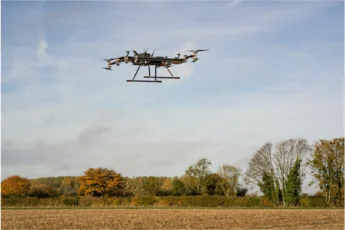
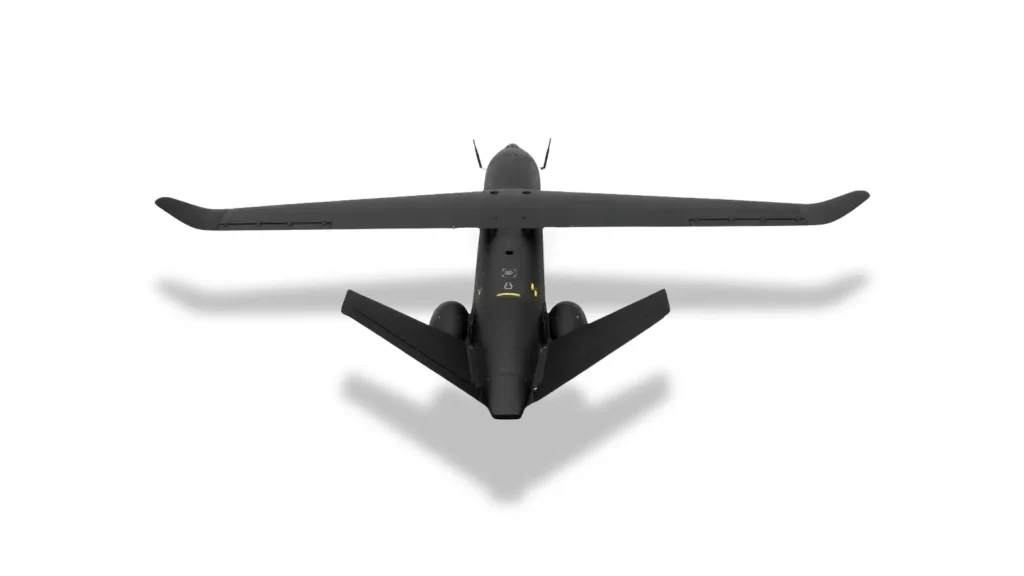
For example, advanced uncrewed platforms developed using open architecture approaches can integrate evolving autonomy stacks, support a range of payloads, and be updated continuously as mission requirements change.
This ensures that capability is not fixed at the point of deployment, but continues to develop over time.
A Future Defined by Speed, Flexibility, and Integration
As defence environments continue to evolve, the ability to adapt quickly will become a defining factor in operational success.
Software-defined defence, enabled by open architecture, provides a framework for achieving this adaptability.
It allows defence organisations to move beyond static platforms and embrace:
- Continuous innovation
- Rapid response to emerging threats
- Scalable, interoperable capability
In this new paradigm, the question is no longer what a platform can do at launch—but how quickly it can evolve to meet the challenges of tomorrow.
Exploring MGI’s Approach to Software-Defined Defence
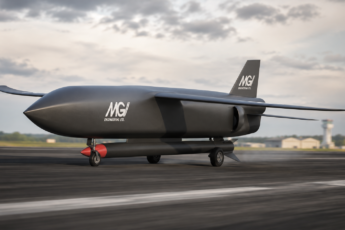
MGI Engineering applies high-performance engineering methodologies to the design and development of autonomous systems, enabling rapid iteration and scalable production.
By combining modular platform design with open, software-defined architectures, MGI delivers systems capable of adapting to a wide range of mission requirements.
To learn more about how these principles are applied in practice, explore:
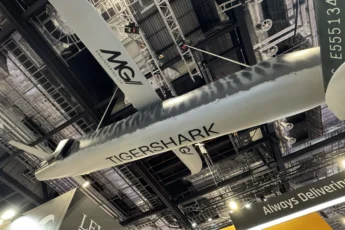
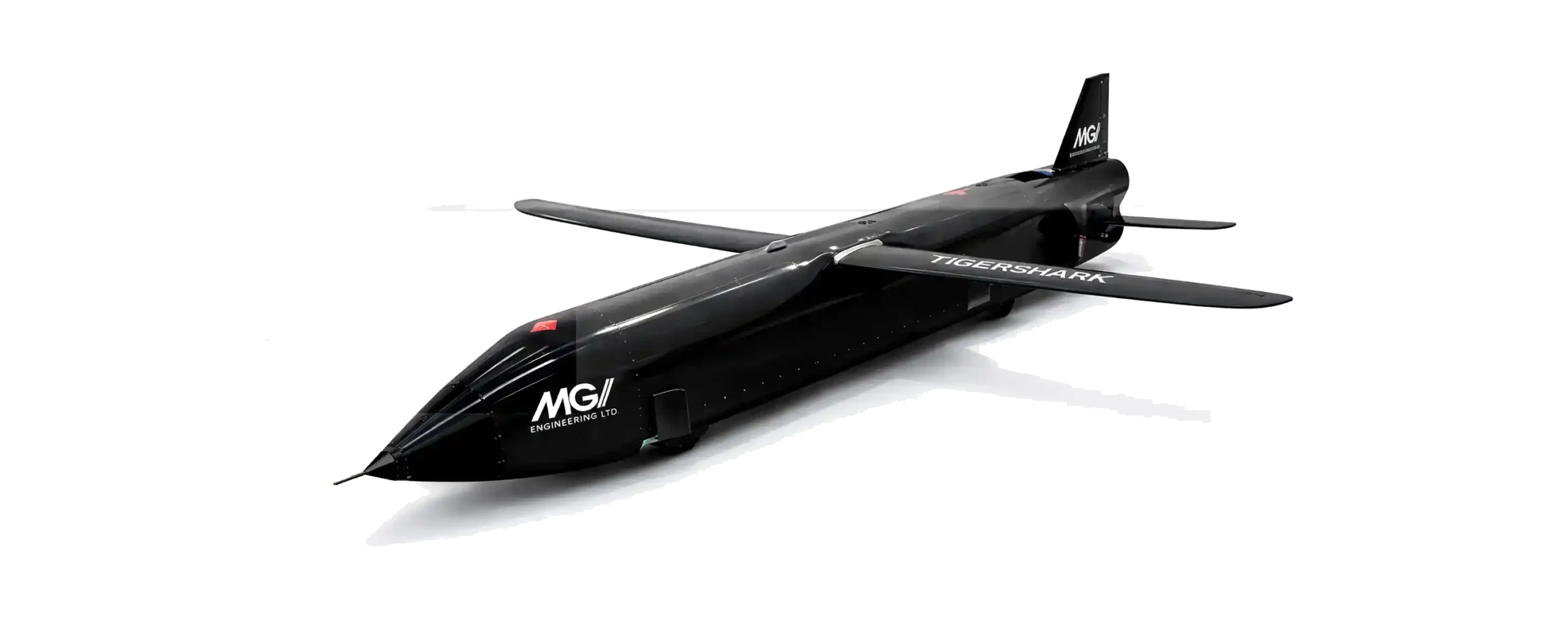
- TigerShark – a next-generation autonomous platform designed for adaptable, mission-focused deployment
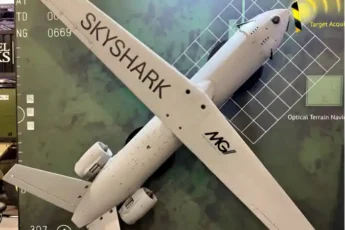
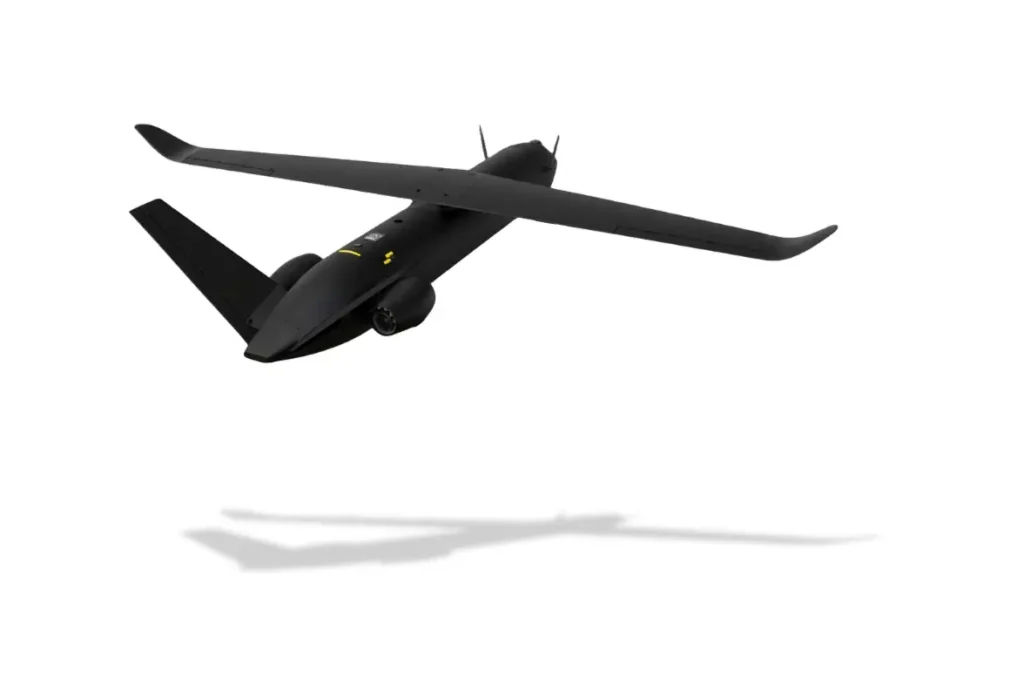
- SkyShark – a scalable system engineered for flexibility, rapid production, and operational effectiveness