
Articles
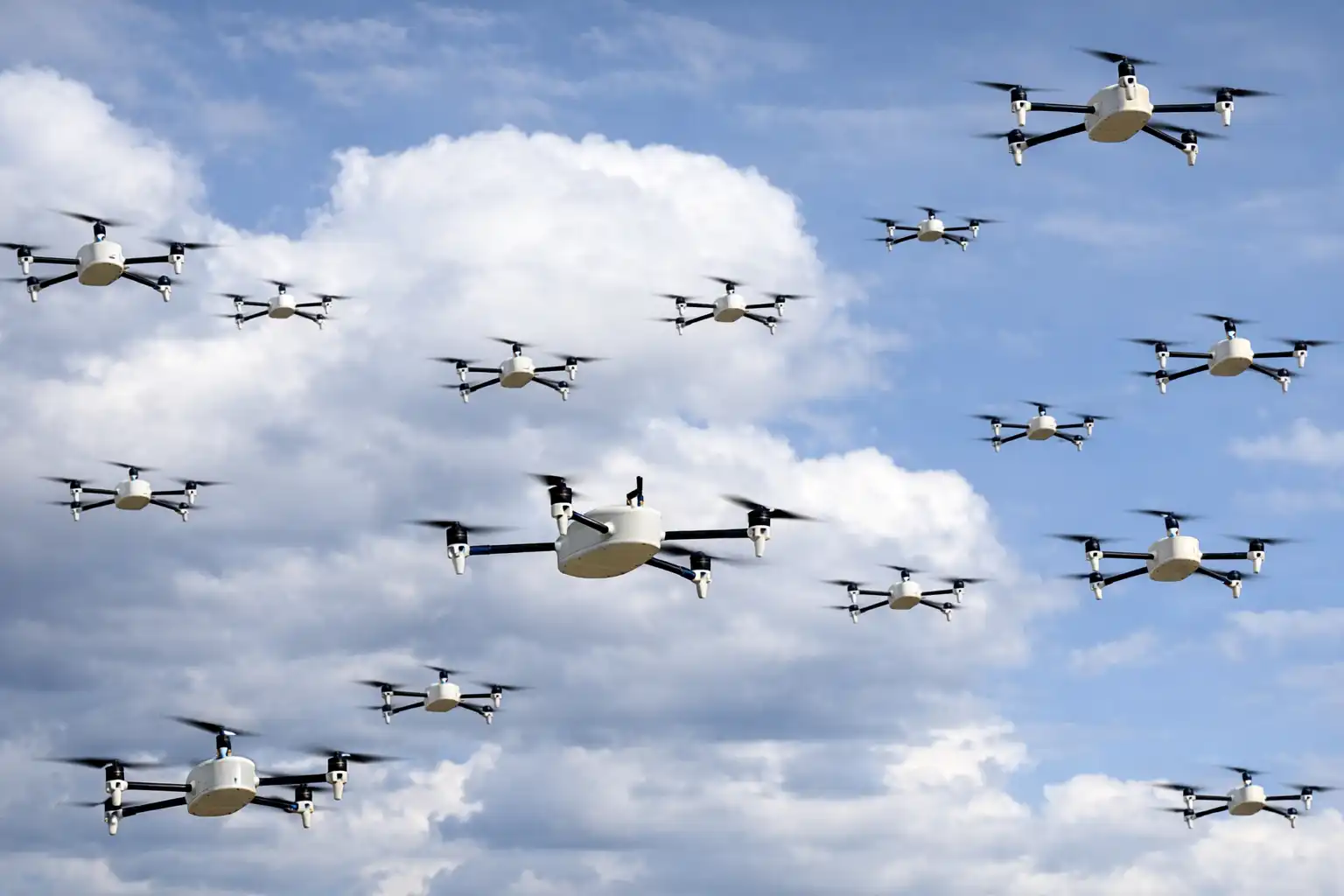
Drone swarm tactics are a method of military operation in which multiple autonomous unmanned systems work collaboratively to conduct intelligence, logistics and precision effect missions in contested and denied environments. Unlike traditional single-platform approaches, drone swarms use distributed autonomy, redundancy... Read More
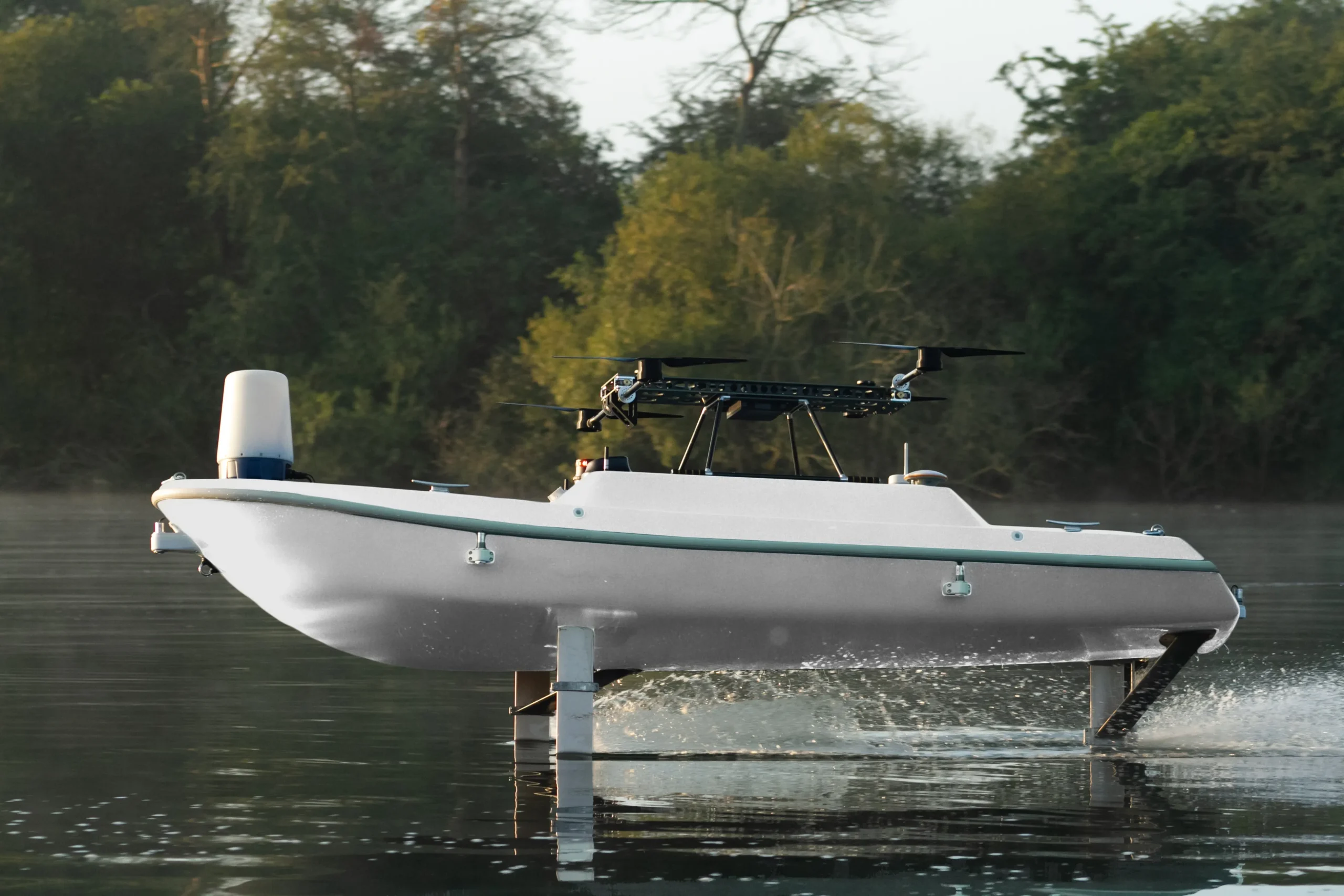
Modern military operations are increasingly defined not by the ability to strike, but by the ability to sustain. In denied and highly contested environments, traditional logistics chains are exposed, slow, and manpower-intensive—often becoming a critical vulnerability rather than a force... Read More
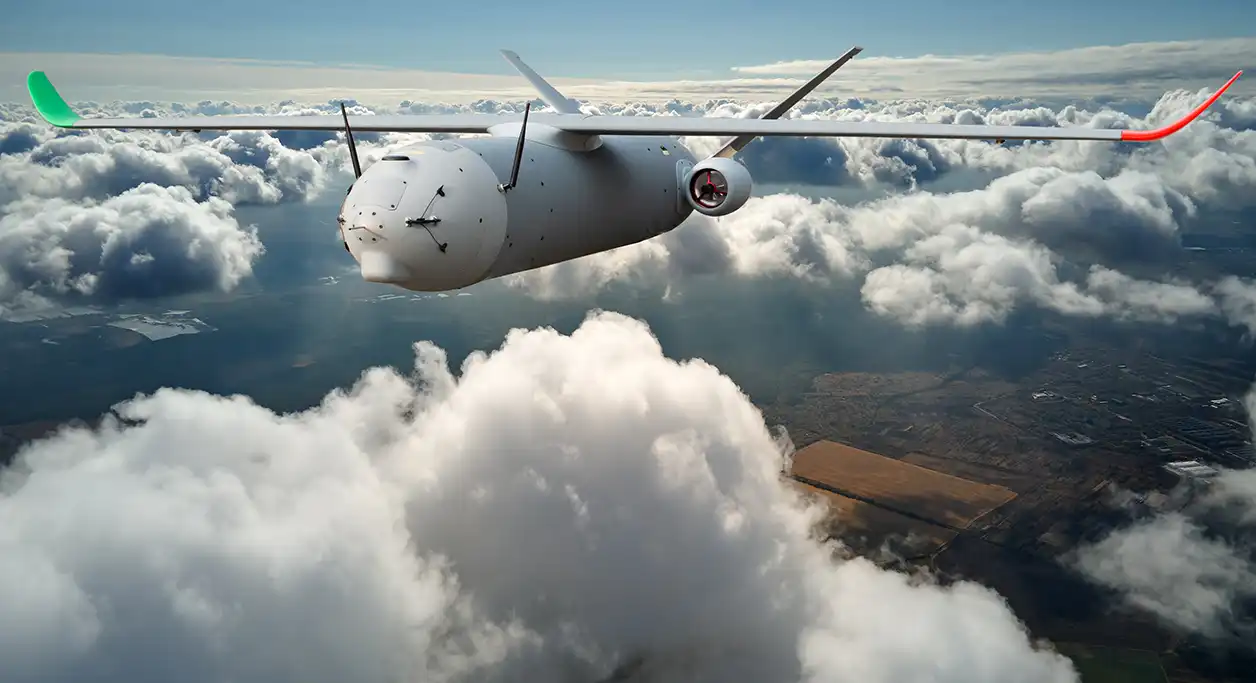
As modern battlefields become faster, more lethal and more electronically contested, armed forces are increasingly turning to expendable drones as a cost-effective way to project capability at scale. Unlike traditional UAVs designed for repeated use, expendable drones are optimised for... Read More
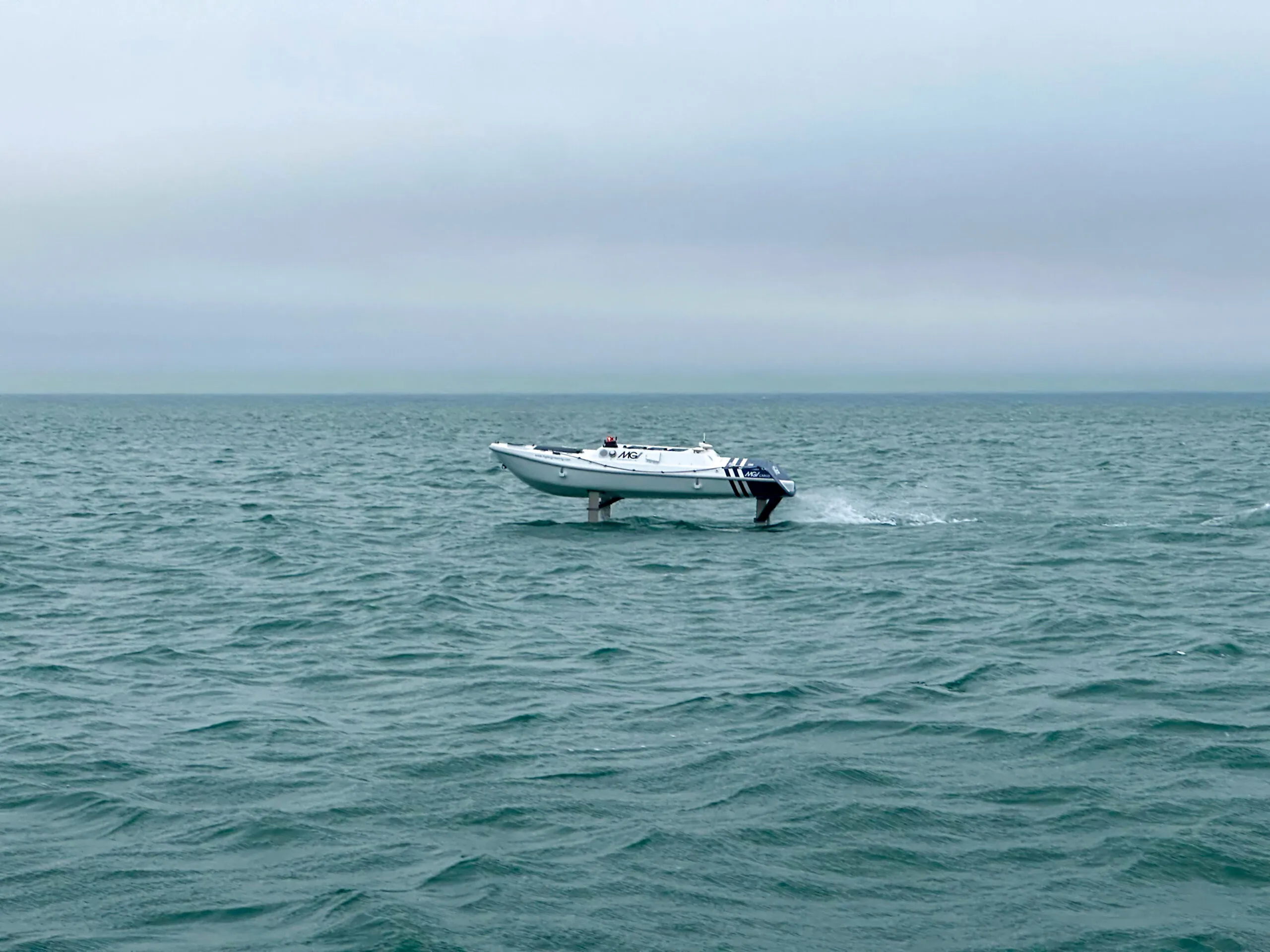
In contested, remote or infrastructure-poor environments, logistics is often the determining factor between mission success and failure. Maritime supply chains are especially vulnerable: long distances, unpredictable weather, electromagnetic interference, and limited port infrastructure can all delay or compromise critical deliveries.... Read More
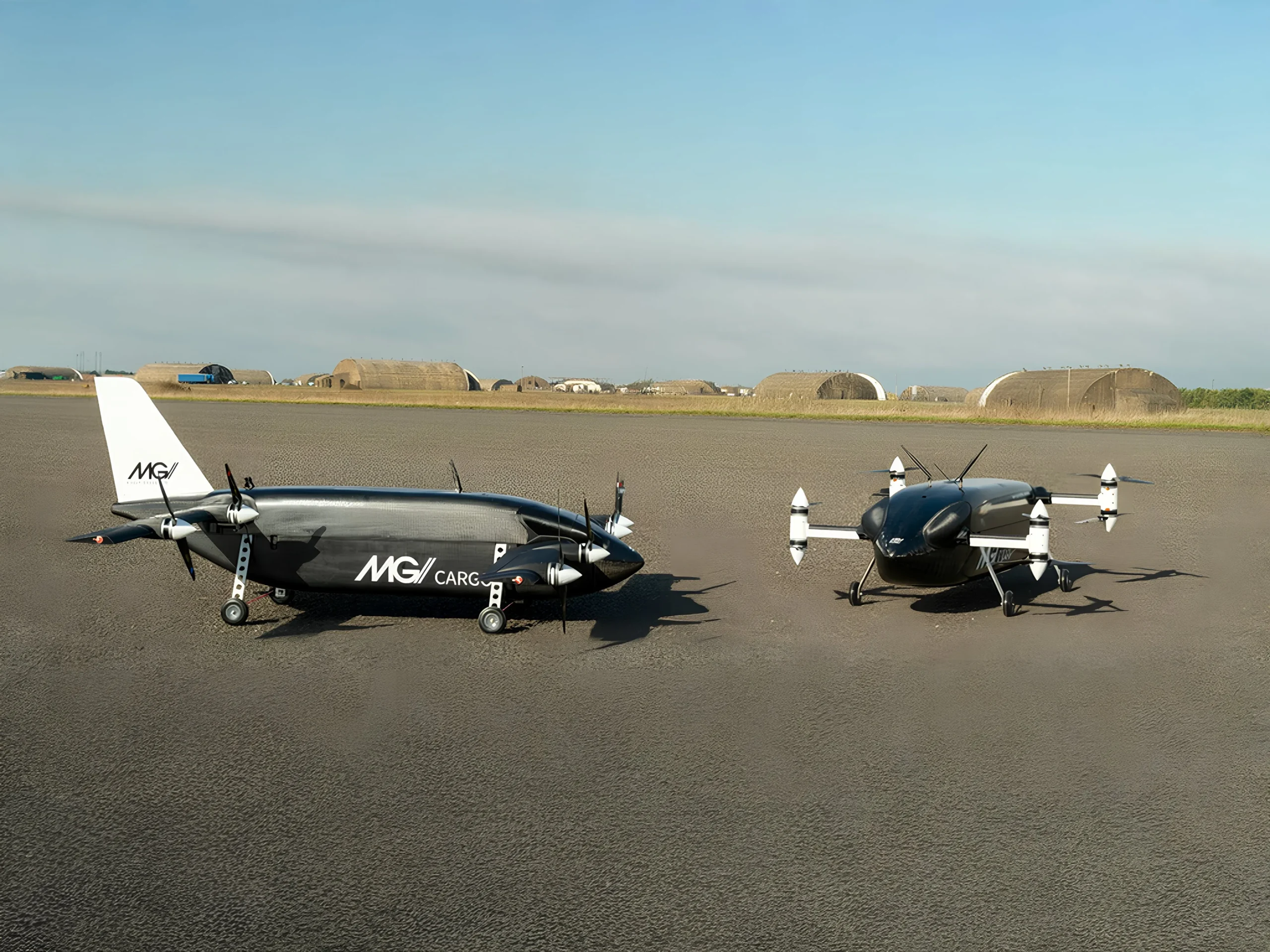
In modern warfare, the ability to operate without reliable communications, GPS, or data links is becoming a defining factor of operational success. As adversaries deploy increasingly sophisticated jamming and electronic warfare (EW) systems, traditional command-and-control models are proving vulnerable. The... Read More
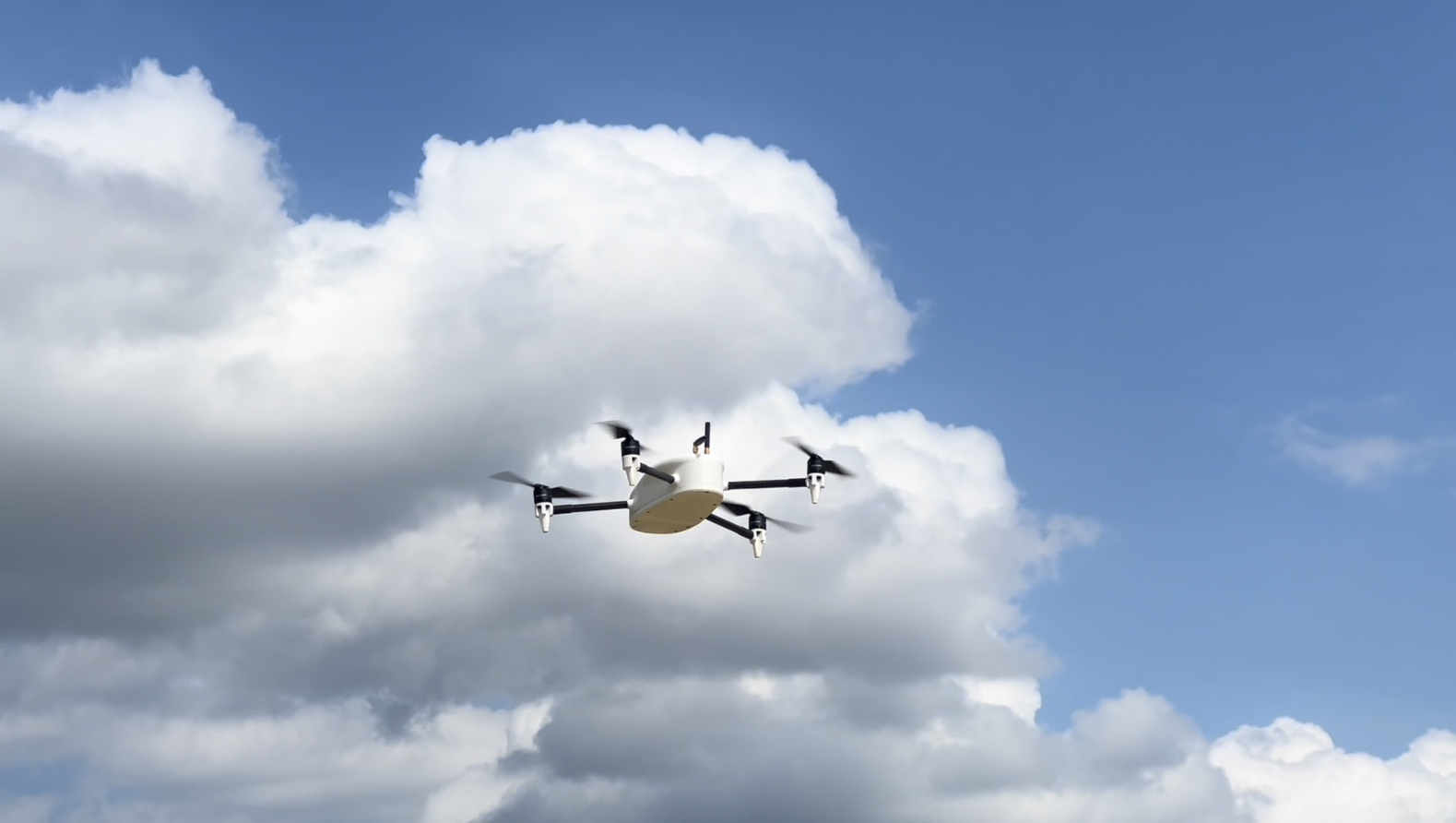
Speed has become the new benchmark of military advantage. As threats evolve and technology cycles accelerate, defence organisations can no longer afford multi-year development programmes that risk obsolescence before delivery. Modern forces need platforms that adapt as quickly as the... Read More
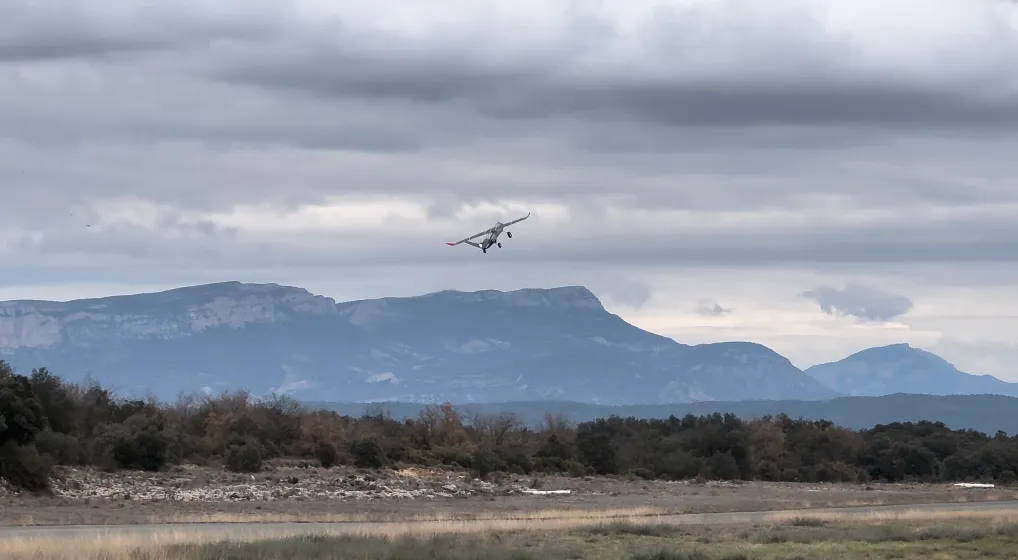
Why Drone Swarms Matter in Modern Conflict Swarm-enabled operations bring asymmetry back to the battlefield. Instead of relying on costly airframes that require secure comms links and satellite support, swarms provide: This makes them especially relevant for grey-zone warfare, special... Read More
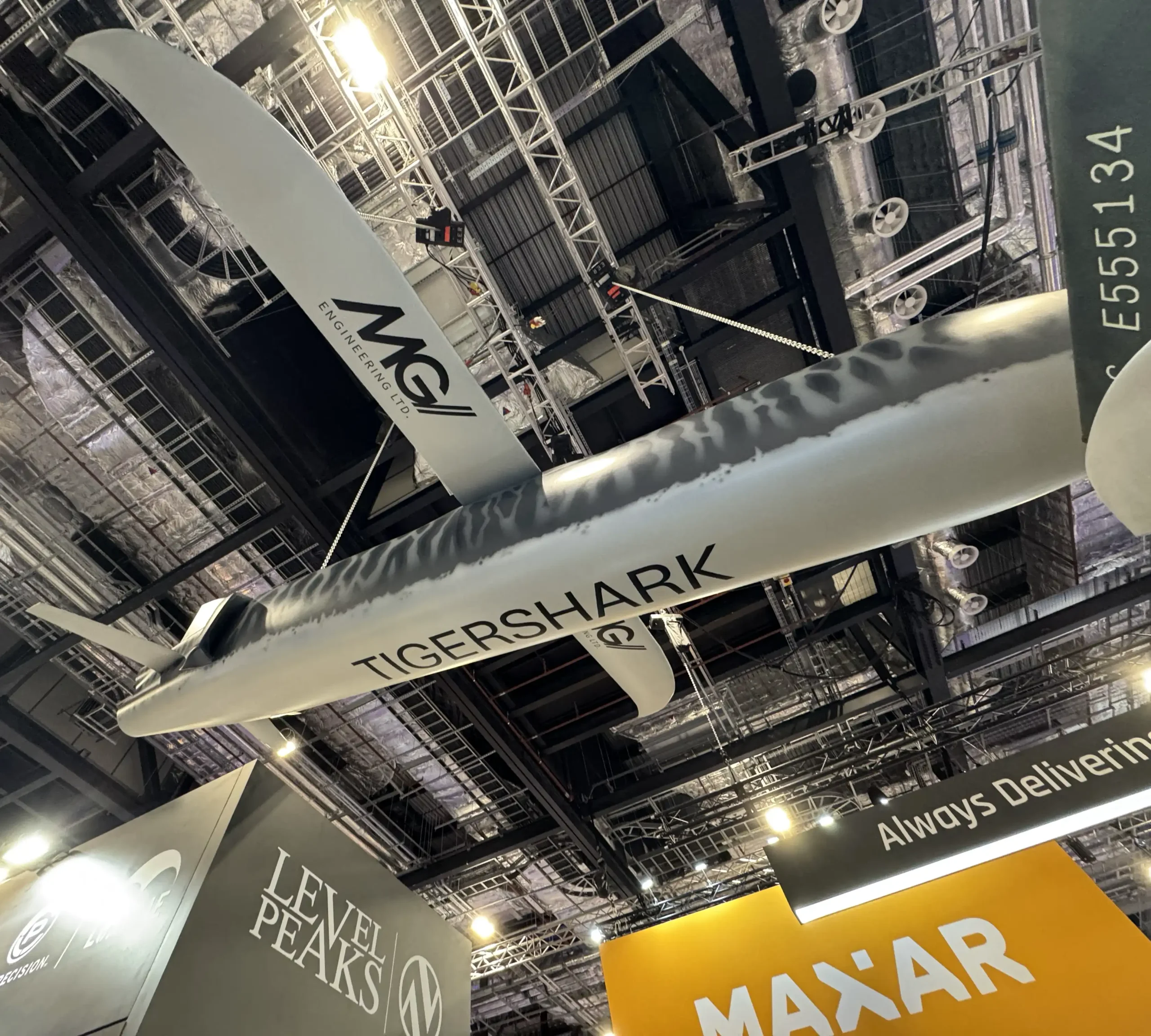
Electronic warfare (EW) is no longer a niche capability—it is central to modern conflict. From jamming GPS signals to disrupting communications, adversaries are investing heavily in electronic countermeasures to deny freedom of action in the air. For unmanned aerial vehicles... Read More
What Are Electronic Warfare Resistant Drones? Electronic warfare resistant drones are unmanned aerial vehicles (UAVs) designed to function in environments flooded with signal jamming, spoofing, or disruption. These systems use hardened communications, autonomous navigation, and mission-continuity protocols to complete objectives... Read More
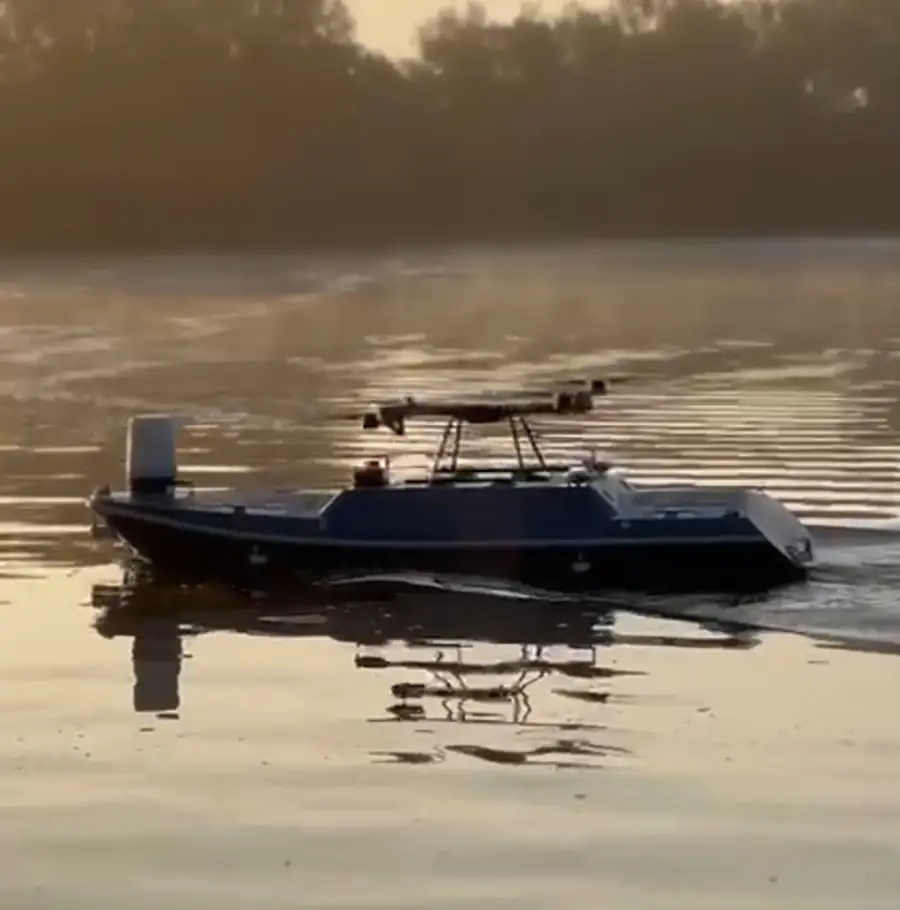
As autonomous technologies mature, they are reshaping how maritime forces deliver supplies, gather intelligence, and project power from ship to shore. From reconnaissance and mine countermeasures to precision strike and resupply, maritime drone systems are redefining how naval forces operate... Read More