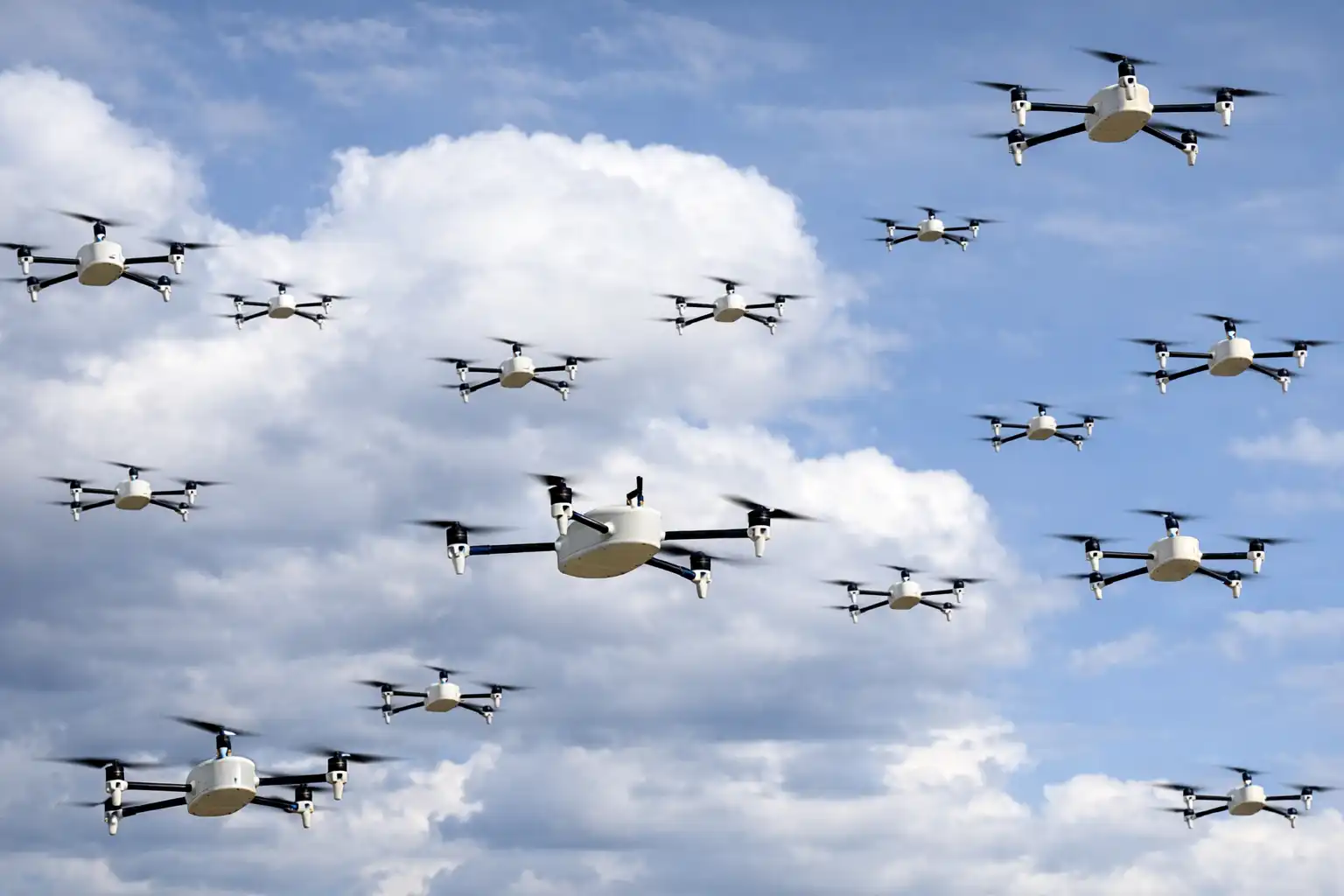
Drone swarm tactics are a method of military operation in which multiple autonomous unmanned systems work collaboratively to conduct intelligence, logistics and precision effect missions in contested and denied environments. Unlike traditional single-platform approaches, drone swarms use distributed autonomy, redundancy and coordinated behaviour to remain effective despite electronic warfare, attrition and degraded communications. By dispersing risk across many low-cost platforms, swarm-enabled UAVs enable persistent ISR, resilient resupply and scalable precision effect where conventional aircraft and logistics chains are increasingly vulnerable. As modern conflicts place greater emphasis on survivability, cost-exchange advantage and operational adaptability, drone swarm tactics are becoming a foundational element of future military capability.
What Are Drone Swarm Tactics?
Drone swarm tactics refer to the coordinated operation of multiple autonomous unmanned systems that work together to achieve a shared mission objective. Unlike traditional formations controlled by a central command node, swarms use distributed autonomy, allowing individual platforms to make local decisions while contributing to collective behaviour.
In military operations, swarm tactics prioritise:
- Mission resilience over platform survivability
- Redundancy rather than protection
- System-level effect rather than individual performance
This makes drone swarms particularly effective in contested and denied environments, where attrition, electronic warfare and degraded communications are expected.
Why Drone Swarms Are Effective in Denied Environments
Denied environments are designed to neutralise conventional advantages such as air superiority, persistent communications and precision navigation. Drone swarms are suited to these conditions because they assume disruption as a baseline, not an exception.
Key advantages of swarm-enabled UAVs:
- Attrition tolerance: Loss of individual platforms does not compromise mission success
- Reduced EW vulnerability: Limited dependence on continuous command-and-control links
- Defensive saturation: Multiple low-cost targets overwhelm detection and interception systems
- Adaptive behaviour: Swarms can reconfigure in response to losses or threats
Rather than avoiding detection entirely, swarm tactics focus on maintaining operational effectiveness despite interference.
Swarm-Enabled ISR: Persistent Intelligence Under Fire
Traditional ISR relies on a small number of high-value platforms operating from standoff distances. In contested environments, these assets are increasingly vulnerable to long-range fires and counter-space capabilities.
Swarm-enabled ISR replaces concentration with distribution.
How ISR swarms operate:
- Multiple low-signature UAVs operate across a wide area
- Sensor coverage is distributed rather than centralised
- Individual losses reduce resolution, not situational awareness
- Platforms rotate in and out of contested zones to maintain persistence
This approach enables continuous intelligence collection even under sustained enemy pressure.
Drone Swarms and Autonomous Logistics
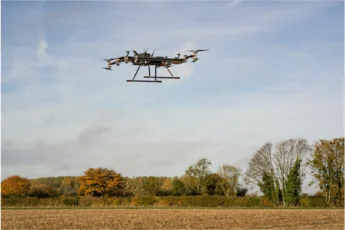
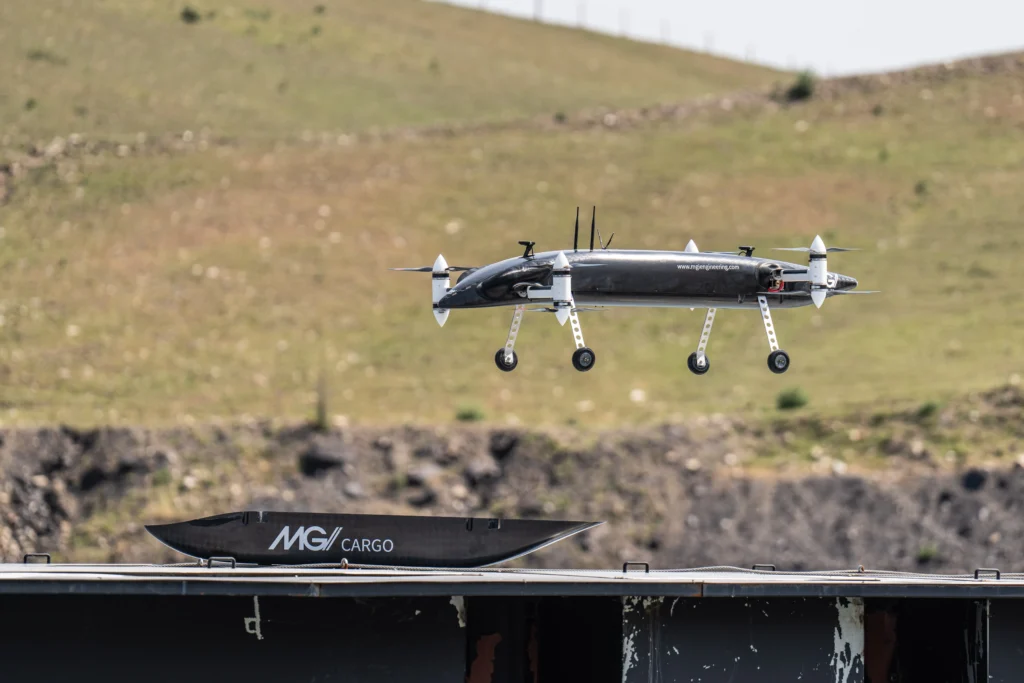
One of the most significant impacts of swarm tactics is in autonomous logistics, particularly for resupply operations in denied maritime and land environments.
Distributed logistics delivery
Instead of relying on a single heavy-lift asset, swarms of smaller UAVs can:
- Deliver supplies incrementally
- Use multiple routes and launch points
- Reduce the risk of catastrophic mission failure
- Prioritise critical payloads dynamically
This model is especially effective for:
- Forward operating bases
- Island chains and remote outposts
- Ship-to-shore resupply in contested maritime zones
Read more:
Autonomous ship-to-shore resupply systems
→ SeaGlide
Swarm Coordination Across Domains
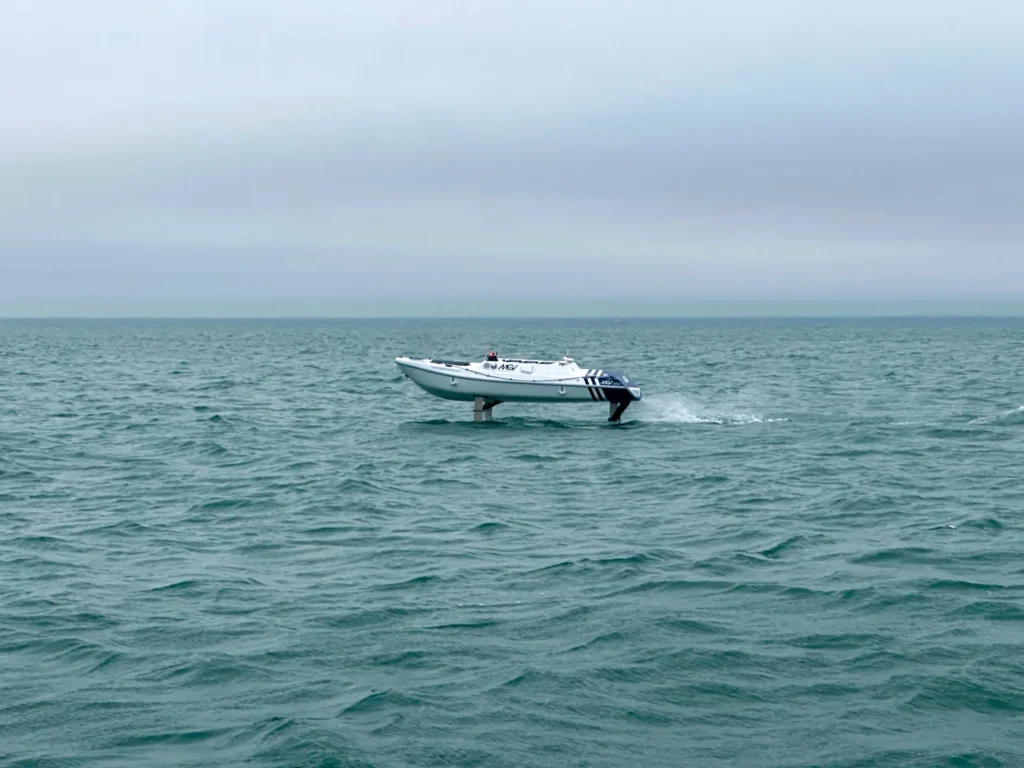
Drone swarms are not limited to aerial platforms. Increasingly, swarms operate across air and maritime domains, combining autonomous surface vessels with UAVs to form end-to-end logistics and ISR chains.
In these architectures:
- Surface vessels act as mobile logistics hubs or launch platforms
- UAVs provide final-lift delivery, reconnaissance or decoy roles
- Coordination is managed through mission logic rather than constant control
This cross-domain approach increases operational reach while reducing signature and risk.
Swarm-Enabled Effect and One-Way Effector Drones
Drone swarms are also transforming how militaries think about precision effect delivery.
One-way effectors in swarm operations
When deployed as part of a swarm, expendable drones can:
- Conduct saturation attacks against defended targets
- Act as decoys to expose air defence systems
- Deliver precision effect at scale and low unit cost
Swarm tactics allow effect delivery to be scalable, adaptive and economically sustainable, particularly when compared to the use of high-cost munitions.
Read more:
One-way effector drones for contested environments
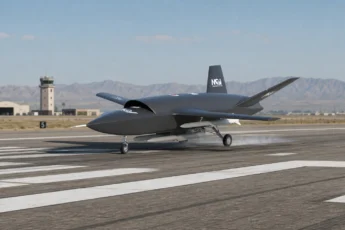
→ Mosquito
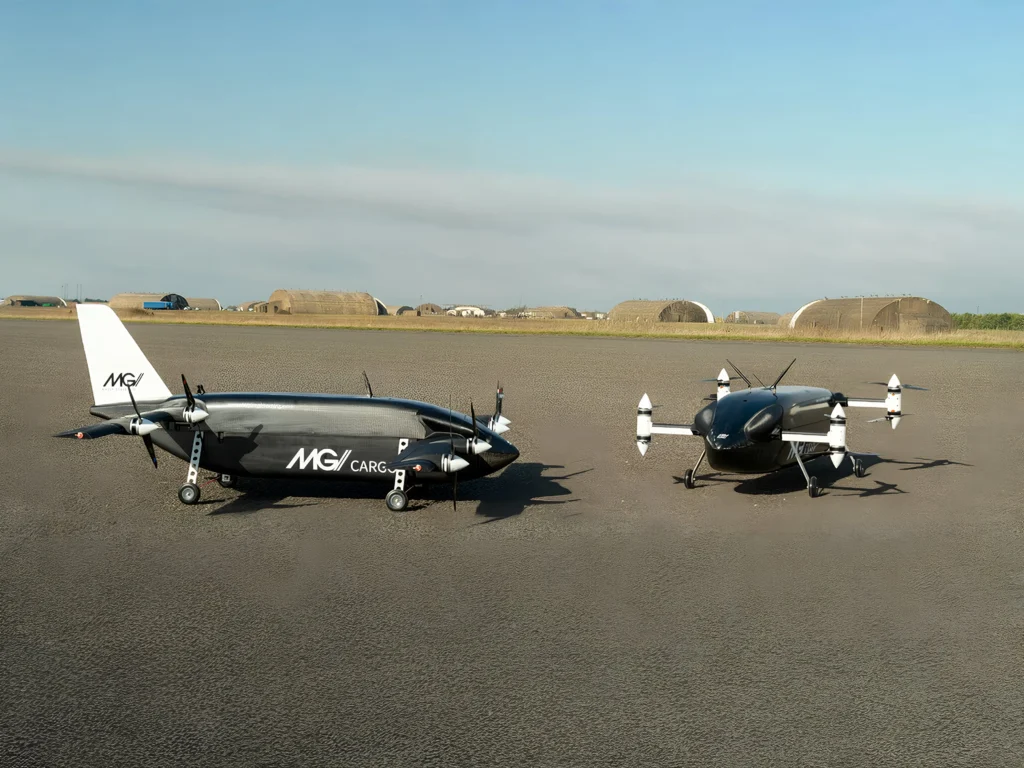
Cost-Exchange Advantage of Swarm Systems
A defining feature of swarm-enabled operations is their impact on the cost-exchange ratio.
Defenders are forced to expend:
- High-cost interceptors
- Finite air defence assets
- Significant sensor and command resources
Against:
- Low-cost, attritable autonomous platforms
Over time, this economic imbalance becomes operationally decisive, particularly in prolonged or large-scale conflicts.
Electronic Warfare and Swarm Survivability
Electronic warfare is one of the most significant threats to unmanned systems. Swarm-enabled UAVs mitigate this threat through design rather than resistance.
Effective swarm systems typically rely on:
- Pre-programmed mission autonomy
- Alternative navigation methods beyond GPS
- Limited and intermittent communications
- Behaviour-based coordination between platforms
Rather than attempting to defeat electronic warfare outright, swarm systems are designed to operate through degradation.
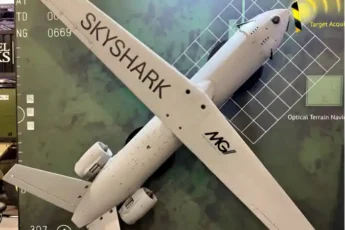
Read more:
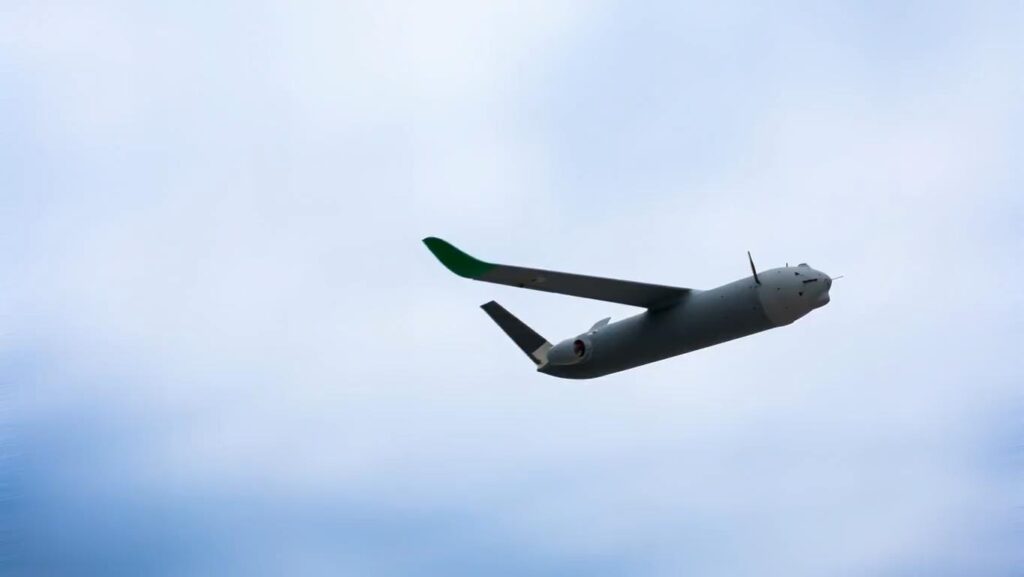
Electronic warfare–resilient autonomous UAV platforms
→ SkyShark
From Platforms to Systems-of-Systems
Drone swarm tactics reflect a broader shift in defence thinking:
- From exquisite platforms to scalable systems
- From manual control to supervised autonomy
- From long development cycles to rapid iteration
Success in swarm operations depends not only on individual UAV performance, but on systems integration, software adaptability and manufacturing scalability.
Implications for Defence Procurement
For defence planners, swarm-enabled systems raise critical questions:
- How to integrate autonomy into existing force structures
- How to train operators to supervise rather than pilot
- How to scale production rapidly in response to demand
- How to balance attrition tolerance with mission assurance
Swarm capability is as much an industrial and organisational challenge as it is a technical one.
Conclusion: Drone Swarms as a Foundation of Future Operations
Drone swarm tactics are no longer experimental concepts. They represent a practical response to the realities of modern warfare, particularly in contested and denied environments.
By distributing risk, reducing reliance on vulnerable communications and enabling coordinated autonomy, swarm-enabled UAVs are reshaping how militaries conduct ISR, logistics and precision effect.
As threat environments continue to evolve, swarm-based autonomous systems will form a core foundation of future military capability, enabling forces to operate, adapt and persist where traditional approaches cannot.